
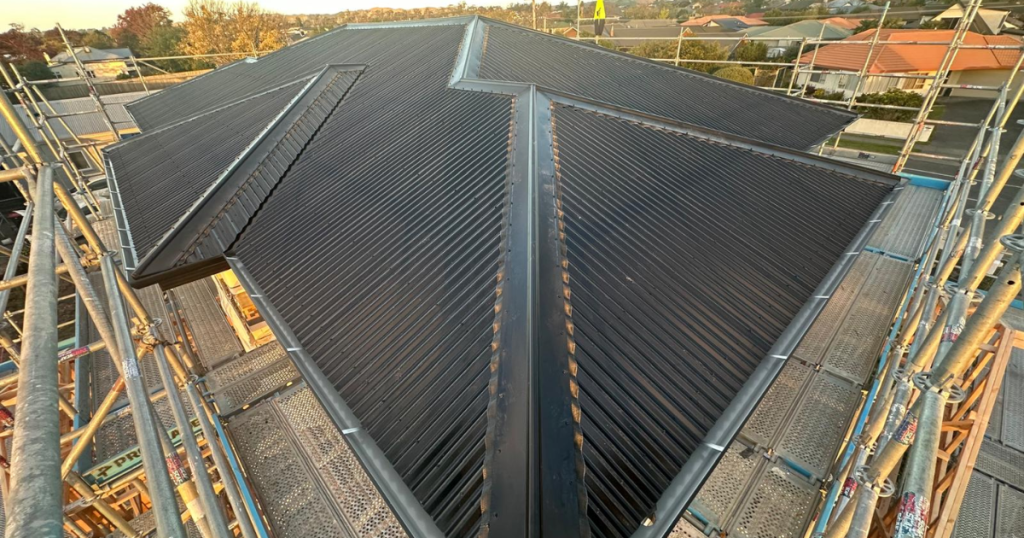
Installing solar panels is a great way to make your home more energy efficient and reduce electricity costs. However, before investing in a solar system, you should check whether your existing roof is ready to support it.
One important decision is whether to re-roof before solar installation. Solar panels can last for 20 to 25 years or longer, so installing them on an ageing or damaged roof may create problems later. If your roof needs replacement soon, completing the re-roofing work first can save time, money and disruption.
Your roof also needs regular care to remain weatherproof and reliable. Read our guide on how regular roof maintenance can extend the life of your roof in NZ to understand why inspections and early repairs matter.
In this guide, we explain seven reasons to consider re-roofing before solar installation and what New Zealand homeowners should check before starting their solar project.
Why Should You Re-Roof Before Solar Installation?
Your roof provides the foundation for your solar panel system. It must remain strong, weatherproof and suitable for the mounting equipment throughout the life of the installation.
If your roof has reached the end of its useful life, installing solar panels first may mean removing and reinstalling them when roofing work becomes necessary. Planning both projects together can help you avoid unnecessary costs and protect your investment.
For a broader overview of roofing options, read our guide to professional roofing services in New Zealand.
7 Reasons to Re-Roof Before Solar Installation
1. Avoid Removing Solar Panels for Future Roof Replacement
A roof replacement can become more complicated once solar panels are installed.
If your roof needs replacing in the next few years, your roofing contractor may need to work around the solar system or arrange for the panels to be removed first. This can add labour, coordination and extra costs to your roofing project.
EECA’s solar guidance recommends considering the condition and expected remaining life of your roof before installing a solar system. If major roof work is likely soon, it is worth completing it first.
Why it matters: Re-roofing before solar installation can help you avoid paying for panel removal and reinstallation later.
2. Protect Your Home from Leaks and Water Damage
A roof must remain weatherproof after solar panels are fitted.
Solar systems use mounting brackets and fixings designed for the particular roof type. Poor installation or existing roof damage can create problems around these mounting points.
If your roof already has leaks, damaged flashing, loose roofing sheets or corrosion, address these issues before installing solar panels. A new roof can provide a sounder surface for the solar installer to work with.
If you are unsure whether your roof needs repairs or replacement, read our guide on roof repair vs re-roofing in New Zealand.
You can also explore Hine Roofing’s roof repair services for help with leaks, damaged roofing materials and flashing problems.
3. Make Sure Your Roof Can Support the Solar System
Your roof needs to be structurally suitable for the additional equipment.
Solar panels, mounting rails and other components add weight to your roof. The roof structure and fixing points must be suitable for the proposed system, including the wind conditions at your property.
A roof inspection can help identify issues such as weakened supports, damaged purlins, rust or deteriorating roof materials. If the roof needs more than minor repairs, discuss re-roofing with a qualified roofing professional before confirming the solar design.
The solar installer should also assess the roof structure and confirm that the proposed mounting system is suitable for the property.
4. Reduce the Risk of Corrosion and Roofing Deterioration
Older roofing materials may not provide a reliable base for a long-term solar investment.
Metal roofs can develop rust, corrosion, worn coatings and deterioration around fasteners. These problems may become more difficult to inspect or repair after solar panels cover parts of the roof.
This is particularly worth considering for homes in coastal areas, where exposure to salt and moisture can affect metal roofing.
If your metal roof is showing signs of ageing, read our guide on metal roof lifespan in NZ to understand the factors that affect its durability and when replacement may be worth considering.
If your roof has widespread corrosion or has reached the end of its useful life, replacing it before installing solar panels may be the more practical option. Explore our re-roofing services in NZ to learn more about roofing upgrades.
5. Plan the Roof and Solar System Together
Coordinating both projects can make the installation process smoother.
When you re-roof before solar installation, you can discuss the solar system with your roofing contractor at the planning stage. This helps both teams consider panel positions, roof penetrations, flashing details and access for future maintenance.
You can also discuss which roofing material and profile will work best with the proposed solar mounting system.
For example, if you are considering a new metal roof, speak with your roofing and solar installers about compatible mounting equipment before ordering materials.
A coordinated approach can also help you plan other roofing improvements. Explore Hine Roofing’s full range of roofing services to see the options available for your property.
6. Protect Roofing and Solar Warranties
Different products and installation teams may have separate warranty conditions.
Your roofing materials, workmanship and solar equipment may each come with their own warranty terms. Installing panels on an ageing roof or making changes to the roof after installation could create questions about responsibility if a problem develops.
Before work begins, ask both contractors:
- Does the solar mounting method affect the roofing warranty?
- Who is responsible for sealing and checking roof penetrations?
- What happens if roofing repairs are needed beneath the panels?
- Are the roofing and solar installation warranties clearly documented?
Getting these details in writing can help avoid confusion later.
7. Save Time and Avoid Disruption in the Long Run
Completing roofing work first can reduce the number of projects happening around your home.
Re-roofing and solar installation both involve access to the roof, equipment and contractors. Doing the work in the right order can reduce repeated site visits and help avoid disruption.
You can also arrange the solar installation once the new roof has been completed and checked. This gives the solar team a clearer starting point and helps both projects follow a coordinated schedule.
For more information about planning roofing work, read our article on new roof vs re-roofing and choosing the right solution.
When Should You Re-Roof Before Solar Installation?
Your roof’s actual condition matters more than its age alone.
Consider arranging a professional roof inspection before getting a solar quote if you notice:
- Rust, corrosion or peeling paint on metal roofing.
- Cracked, loose or damaged roofing materials.
- Water stains on ceilings or signs of roof leaks.
- Damaged flashing around chimneys, skylights or roof edges.
- Loose or deteriorating fasteners.
- Previous repairs that have not solved recurring problems.
- A roof likely to need major maintenance or replacement within 10 years.
Regular inspections can help identify these issues early. Our guide on the warning signs your roof needs repair or replacement explains what homeowners should look out for.
If your roof is in good condition and does not need major work in the foreseeable future, you may not need to replace it before solar installation. A professional assessment can help you make that decision.
Should You Repair or Re-Roof Before Solar Installation?
Not every roof needs a complete replacement before solar panels go on.
The right option depends on the extent of the damage, the roofing material and how much useful life remains.
| Roof condition | Recommended action |
|---|---|
| Minor damage or a small leak | Arrange roof repairs |
| Loose fasteners or damaged flashing | Repair before solar installation |
| Widespread rust or corrosion | Consider re-roofing |
| Roof near the end of its useful life | Re-roof before solar installation |
| Recently replaced roof in good condition | Arrange an inspection and discuss solar compatibility |
If your roof only needs minor work, professional roof repairs may be enough. If it needs a complete replacement, explore Hine Roofing’s re-roofing services.
For a more detailed comparison, read roof repair vs re-roofing in New Zealand.
What Should You Check Before Starting Re-Roofing?
Good planning helps your roofing and solar projects work together.
Before you book either contractor, consider these important points:
- Roof inspection: Ask a roofing professional to assess the condition of your existing roof.
- Roofing material: Choose a suitable roofing material and profile for your property and proposed solar mounting system.
- Structural suitability: Ask the solar installer whether the roof structure and fixing points can support the proposed array.
- Roof penetrations: Discuss how mounting points and penetrations will be sealed to protect against water entry.
- Future maintenance: Plan enough access for roof inspections, cleaning and solar system maintenance.
- Written quotes: Make sure both quotes clearly identify the work, materials, warranties and any additional costs.
If you are comparing roofing options, our guide to roof replacement costs and the factors that affect pricing can help you understand what may influence your project budget.
New Zealand Roofing and Solar Installation Requirements
Homeowners should check the relevant requirements before starting roofing or solar work.
In New Zealand, some rooftop solar installations may qualify for building consent exemptions, but this does not mean every installation is automatically exempt. Requirements depend on factors such as the design and installation conditions.
The Electrical Workers Registration Board’s solar panel consent exemption guidance provides information about these changes.
You should also check MBIE’s building consent guidance before starting building work. All building work must still comply with the New Zealand Building Code, including work that does not require a building consent.
For solar planning, the EECA guide to choosing solar for your home provides useful advice on roof condition, maintenance and installation timing.
Why Choose Hine Roofing Before Installing Solar Panels?
A reliable roof is an important part of a successful solar project.
Hine Roofing helps homeowners in Wellington and Palmerston North with roofing services, including roof repairs and re-roofing. Whether your roof needs minor repairs or a complete replacement, getting professional advice before solar installation can help you plan the right next step.
With 20 years of industry experience, Hine Roofing provides residential and commercial roofing solutions, including new roofs, re-roofing and repairs.
Explore the Hine Roofing service range or learn more about its re-roofing solutions.
Frequently Asked Questions
1. Should I re-roof before solar installation?
Yes, if your roof needs replacement or major maintenance soon. Completing the roofing work first can help avoid removing and reinstalling solar panels later.
2. Can I install solar panels on an old metal roof?
It depends on the roof’s condition. An older metal roof may still be suitable if it is structurally sound, weatherproof and does not need major repairs. Arrange a professional inspection before installation.
3. How long do solar panels last compared with a roof?
Solar panels commonly have performance warranties of around 25 years, although actual product and workmanship warranties vary. Your roof should ideally have enough remaining useful life to avoid needing replacement while the panels are installed.
4. Can roofers replace a roof without removing solar panels?
Sometimes, but it depends on the roofing layout and solar mounting system. In many cases, panels and mounting equipment need to be removed to complete the roofing work properly. Discuss this with your roofing and solar contractors.
5. Does re-roofing improve solar panel installation?
It can. A new roof gives installers a better opportunity to plan the mounting points, check roof compatibility and coordinate the work before the panels are fitted.
6. Will a new roof increase the cost of solar installation?
Re-roofing is an additional project cost. However, completing it before solar installation may help avoid future costs associated with removing and reinstalling panels.
7. Who should I contact first, a roofer or a solar installer?
Start by arranging a roof inspection if you are unsure about its condition. You can then discuss the roofing requirements with your roofer and coordinate the solar design with your installer.
Plan Your Re-Roofing Before Solar Installation with Hine Roofing
Get your roof ready before investing in solar panels.
If your roof is ageing, leaking or showing signs of deterioration, now is a good time to arrange a professional assessment. Hine Roofing can help you understand whether your property needs roof repairs or a complete re-roof before solar installation.
Contact Hine Roofing for a free, no-obligation roofing quote in Wellington or Palmerston North.
- Phone: 0800 45 4463
- Website: Contact Hine Roofing