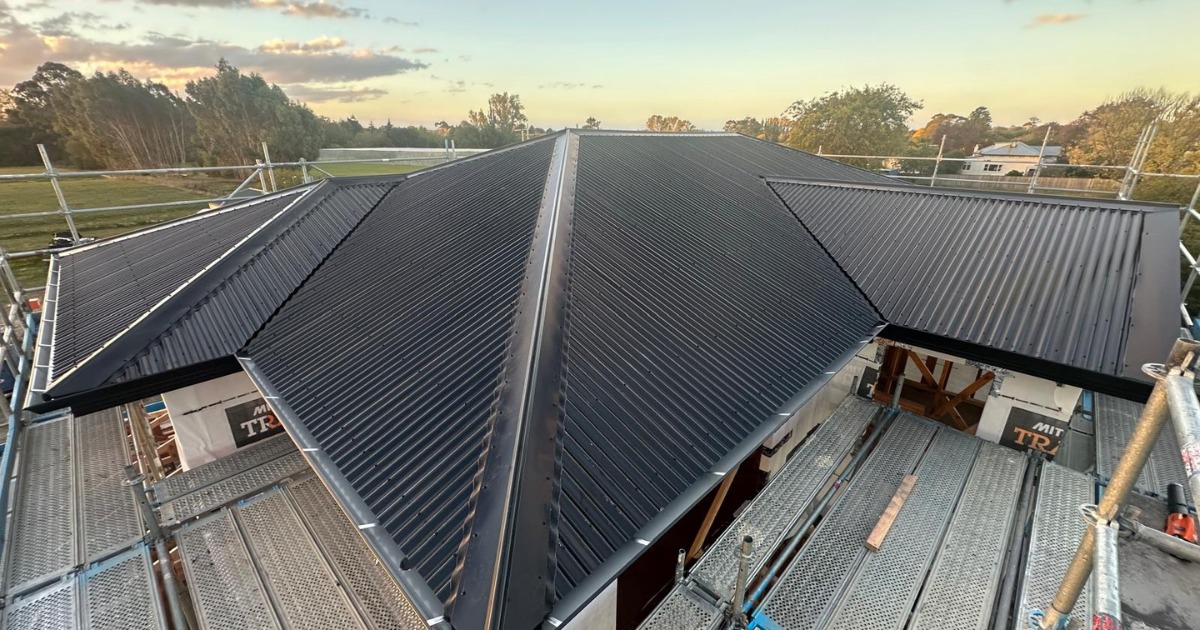
Warm Roof vs Cold Roof Systems in New Zealand: Which Wins?
Warm roof vs cold roof systems in New Zealand are one of the most important considerations when building a new home or replacing an existing roof. The roofing system you choose affects your home’s energy efficiency, indoor comfort, condensation control, maintenance costs, and long-term durability. Choosing the right solution from the outset can improve comfort, reduce running costs, and extend the lifespan of your roof.
At Hine Roofing, we help homeowners across Lower Hutt, Wainuiomata, Wellington City, and surrounding areas choose roofing systems that perform exceptionally well in New Zealand’s challenging climate. Whether you’re planning a new build or a complete re-roof, selecting the right roofing system can save you money and protect your home for years to come.
In this guide, we’ll compare warm roof vs cold roof systems in New Zealand, explain how each system works, outline their advantages and disadvantages, and help you decide which option is best suited to your home.
Understanding Cold Roof Systems – The Traditional Roofing Method
Cold roof systems have been widely used in New Zealand homes for many years. In this design, insulation is installed between or above the ceiling joists, leaving the roof cavity above uninsulated. This means the roof structure remains cold during winter, while warm air from inside the home rises into the roof space.
The roof cavity relies on ventilation to remove excess heat and moisture. Although this method has been standard practice for decades, it can create challenges in regions with frequent rainfall and high humidity, such as Wellington.
Many existing homes throughout Lower Hutt and the wider Wellington region still use cold roof construction because it offers a simple and cost-effective installation process.
Benefits of Cold Roof Systems
- Lower installation costs than warm roof systems
- Faster construction for new builds
- Familiar construction method used by many builders
- Easier access to roof spaces for maintenance and repairs
Drawbacks of Cold Roof Systems
- Greater risk of condensation during colder months
- Lower thermal performance
- Higher heating and cooling costs over time
- Increased risk of mould, dampness, and timber deterioration
- More ongoing maintenance compared with modern roofing systems
Although cold roofs remain suitable for some properties, many homeowners are now upgrading to warm roof systems to improve comfort, reduce condensation, and achieve better long-term performance.
Why Cold Roof Systems Can Struggle in Wellington’s Climate
One of the biggest disadvantages of traditional cold roof construction is condensation.
Everyday activities such as cooking, showering, drying clothes indoors, and even breathing release warm moisture into your home. As this warm air rises into the roof cavity, it comes into contact with the colder underside of the roof.
During winter—or after a sudden drop in temperature—this moisture condenses into water droplets. Over time, condensation can soak insulation, dampen timber framing, encourage mould growth, and eventually lead to costly structural repairs.
These problems are particularly common in Wellington, where cool temperatures, high humidity, strong winds, and prolonged wet weather create ideal conditions for condensation to develop.
Many homeowners don’t realise there’s a problem until they notice:
- Damp patches on ceilings
- Black mould around cornices
- Musty smells inside the home
- Wet roof insulation
- Water dripping inside the roof cavity
By the time these warning signs appear, repairs are often more extensive—and more expensive—than expected.
Warm Roof Systems – The Modern, High-Performance Solution
Warm roof systems have become increasingly popular across New Zealand, particularly in regions like Wellington where moisture, wind, and fluctuating temperatures can place significant stress on roofing structures.
Unlike a traditional cold roof, a warm roof system positions the insulation above the roof structure and directly beneath the roofing material. This keeps the entire roof structure—including the rafters—within the insulated envelope of the home.
Rather than allowing warm air to escape into a cold roof cavity, a warm roof maintains a more consistent internal temperature, dramatically reducing the likelihood of condensation while improving overall thermal performance.
Modern warm roof systems typically combine high-performance rigid insulation boards, breathable underlays, vapour control layers, and premium roofing materials to create a durable, energy-efficient roofing solution.
For homeowners planning a new build or complete re-roof, warm roofs offer excellent long-term value and year-round comfort.
Benefits of Warm Roof Systems
- Outstanding condensation control
- Excellent thermal performance
- Lower heating and cooling costs
- Improved indoor comfort throughout the year
- Better acoustic insulation during heavy rain
- Longer lifespan for roofing materials
- Reduced maintenance requirements
- Helps meet modern New Zealand Building Code requirements
Things to Consider
While warm roof systems offer many long-term advantages, there are a few factors to consider before installation.
- Higher upfront investment than a cold roof
- Installation requires specialist knowledge and detailing
- More planning is needed during the design stage
Although the initial cost may be higher, many homeowners find the long-term savings on energy bills, reduced maintenance, and fewer moisture-related repairs more than justify the investment.
Warm Roof vs Cold Roof Systems in New Zealand – A Side-by-Side Comparison
Performance in Wellington’s Climate
Wellington’s weather is among the toughest in New Zealand. Strong winds, heavy rainfall, coastal salt air, and regular temperature changes all put roofing systems under constant pressure.
Cold roofs depend on ventilation to remove moisture, but in damp conditions, condensation can still build up within the roof cavity. Warm roof systems perform far better by keeping the roof structure insulated and maintaining a stable internal temperature.
For homes exposed to Wellington’s coastal climate, warm roofs generally provide greater long-term protection.
Energy Efficiency
When comparing warm roof vs cold roof systems in New Zealand, energy efficiency is one of the biggest differences.
Warm roofs significantly reduce heat loss during winter while limiting unwanted heat gain during summer. Because the insulation sits directly beneath the roofing material, less energy escapes through the roof.
Many homeowners notice:
- Lower electricity bills
- Reduced reliance on heating
- More consistent indoor temperatures
- Greater comfort throughout every season
Condensation Control
Condensation is often the deciding factor when choosing between these two roofing systems.
Cold roofs allow warm, moist air to enter the roof cavity where it meets the cold underside of the roof. This creates condensation that can damage insulation, timber framing, and plasterboard ceilings.
Warm roofs virtually eliminate this issue by keeping the roof structure warmer and incorporating effective vapour control layers that manage moisture before it becomes a problem.
For Wellington homes, this is one of the biggest advantages of choosing a warm roof.
Durability and Lifespan
Moisture is one of the leading causes of roof deterioration.
Because warm roof systems keep structural timbers dry, they help prevent mould, corrosion, and timber decay. This often extends the lifespan of the roof while reducing the need for costly repairs.
Cold roofs, particularly older systems with poor ventilation or ageing insulation, generally require more maintenance over their lifetime.
Installation Costs
Cold roofs usually have the advantage when it comes to initial installation costs.
Their straightforward construction makes them quicker to install, making them an attractive option for projects with tighter budgets.
Warm roofs require additional insulation, vapour control layers, and specialist installation techniques, which increase upfront costs.
However, when long-term running costs are considered—including energy savings, reduced maintenance, and fewer repairs—warm roof systems often provide the better return on investment.
Ongoing Maintenance
Warm roofs generally require less maintenance because moisture is controlled before it reaches the roof structure.
Cold roofs should be inspected more regularly for:
- Condensation
- Damp insulation
- Timber deterioration
- Rust around fixings
- Mould growth
Routine inspections help identify problems early and prevent expensive repairs later.
When Should You Choose a Warm Roof in New Zealand?
A warm roof system is an excellent investment for homeowners looking to improve comfort, reduce energy costs, and minimise ongoing maintenance.
A warm roof may be the right choice if you:
- Live in Wellington or another high-rainfall coastal region
- Experience condensation or mould inside your home
- Are planning a complete re-roof
- Are building a new home or major extension
- Want to improve your home’s energy efficiency
- Prefer lower long-term maintenance costs
- Want better protection against moisture and structural damage
Many homeowners who switch from a cold roof to a warm roof during a re-roofing project tell us they notice the difference almost immediately. Their homes feel warmer during winter, quieter during heavy rain, and far more comfortable throughout the year.
Common Myths About Warm Roof vs Cold Roof Systems
There are plenty of misconceptions surrounding roofing systems, which can make choosing the right option more confusing than it needs to be. Let’s clear up some of the most common myths.
Myth 1: Warm Roof Systems Are Only Suitable for New Builds
False.
While warm roof systems are commonly installed on new homes, they can also be incorporated into many re-roofing projects. If your existing roof is being replaced, upgrading to a warm roof can significantly improve energy efficiency, reduce condensation, and extend the life of your roof.
Myth 2: Cold Roofs Provide Better Ventilation
Not necessarily.
Cold roofs rely on ventilation to remove moisture from the roof cavity. However, in New Zealand’s damp climate—particularly in Wellington—ventilation alone doesn’t always prevent condensation.
Warm roof systems manage moisture differently by keeping the roof structure within the insulated envelope and using vapour control layers to minimise condensation before it develops.
Myth 3: Warm Roof Systems Are Too Expensive
Only if you focus on the upfront cost.
Although warm roofs generally cost more to install initially, they often prove more economical over their lifetime.
Many homeowners benefit from:
- Lower energy bills
- Reduced maintenance costs
- Fewer moisture-related repairs
- Longer roof lifespan
- Improved indoor comfort
When viewed over 20 to 30 years, a warm roof system can offer excellent long-term value.
How Hine Roofing Helps You Choose the Right Roofing System
Every property is different, which is why there’s no one-size-fits-all solution.
At Hine Roofing, we take the time to assess your home’s construction, roof condition, and long-term goals before recommending the most suitable roofing system.
Our assessment considers:
- Existing roof structure and condition
- Local wind zone and weather exposure
- Moisture and condensation risks
- Energy-efficiency goals
- Budget and future renovation plans
- Compliance with the New Zealand Building Code Clause E2 (External Moisture)
Whether you’re replacing an ageing roof or planning a new build, we’ll explain the advantages of each system in straightforward language, allowing you to make a well-informed decision with confidence.
Our experienced roofing team installs both warm and cold roof systems using premium materials that are built to withstand New Zealand’s demanding weather conditions.
Real Results from Wellington Homeowners
One family in Lower Hutt had struggled with condensation for years beneath their ageing cold roof. During a planned re-roof, they upgraded to a warm roof system.
The results were immediate. Their home became noticeably warmer throughout winter, condensation disappeared, rain noise was significantly reduced, and they experienced lower heating costs during the colder months.
Another homeowner in Wainuiomata chose a warm roof while installing solar panels. Integrating the new roofing system with the solar installation not only improved energy efficiency but also provided greater protection against moisture, ensuring the roof structure remains dry and durable for years to come.
Key Considerations Before Choosing a Roofing System
Before deciding between a warm roof and a cold roof, consider the following factors:
Choose High-Quality Insulation
The effectiveness of any roofing system depends on the quality of the insulation. Select products specifically designed for New Zealand conditions and installed to manufacturer specifications.
Moisture Management Is Essential
Effective vapour control layers and breathable roofing underlays play a vital role in preventing condensation and protecting the roof structure.
Professional Installation Matters
Even the best roofing products won’t perform properly if they’re incorrectly installed. Always choose experienced roofing professionals who understand New Zealand building requirements and local weather conditions.
Think Long-Term
While initial cost is important, consider the lifetime performance of your roof. Investing in higher-quality materials today can reduce maintenance, improve comfort, and save money over the years.
Which Roofing System Is Right for Your Wellington Home?
When comparing warm roof vs cold roof systems in New Zealand, the right choice ultimately depends on your home’s design, budget, and long-term priorities.
Cold roof systems remain suitable for some applications and continue to be used across many New Zealand homes. However, for homeowners seeking improved thermal performance, better condensation control, lower energy bills, and reduced maintenance, a warm roof system is often the superior investment—particularly in Wellington’s challenging climate.
If you’re planning a new build or replacing an ageing roof, now is the ideal time to explore whether a warm roof system is right for your property.
Get Expert Roofing Advice from Hine Roofing
Choosing the right roofing system doesn’t have to be complicated.
At Hine Roofing, we provide honest advice, professional roof inspections, and expert installation services across Lower Hutt, Wainuiomata, Wellington City, and surrounding areas. We’ll assess your property, explain your options, and recommend the roofing solution that offers the best long-term performance for your home.
📞 Call us today: 0800 45 4463 or 027 771 2354
Book your free, no-obligation roof assessment today and discover how the right roofing system can make your home warmer, drier, and more energy efficient for years to come.