
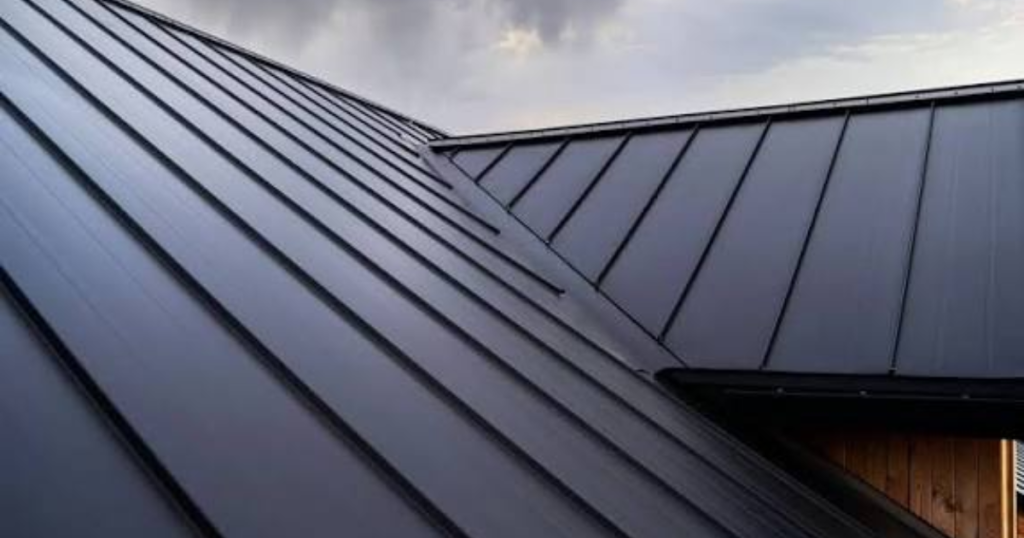
Roof flashing is one of the most important parts of a roofing system, but it is often overlooked until a leak appears. Flashing helps direct rainwater away from vulnerable areas where different roofing materials, surfaces or structures meet.
In a Wellington home, flashing has an especially important job. Strong winds and heavy rain can put extra pressure on roof junctions, penetrations and edges. When flashing is poorly installed, damaged or allowed to deteriorate, water can find its way into the roof space and cause problems inside the home.
The New Zealand Building Code’s E2 External Moisture requirements are designed to help buildings resist water entry and prevent moisture from causing undue dampness or damage. BRANZ also identifies flashing as an important part of protecting the building envelope from external moisture.
So, where is roof flashing actually needed?
What Is Roof Flashing?
Roof flashing is a waterproof component used around roof junctions, edges, penetrations and other vulnerable areas. It can be made from materials such as metal or flexible waterproof products, depending on the application.
Its main purpose is simple: guide water away from areas where it could otherwise enter the building.
Flashing is commonly used around:
- Roof-to-wall junctions
- Chimneys
- Skylights
- Roof valleys
- Pipes and vents
- Ridges and roof edges
- Changes in roof direction or pitch
BRANZ describes flashings as components that drain or deflect water back outside the cladding system.
Good flashing is not simply about adding a piece of metal around a joint. The design, material, overlaps, fixing method and surrounding roof construction all need to work together.
7 Areas Where Roof Flashing Needs Proper Weatherproofing
1. Roof-to-Wall Junctions
Where a roof meets a wall, water can collect or run towards the junction. Without suitable flashing, rainwater can get behind the roofing or wall cladding.
Roof-to-wall junctions need carefully designed flashing so water is directed safely away from the building.
This becomes particularly important on homes with different roof levels, extensions or complex roof designs.
Poorly detailed roof-to-wall junctions can result in:
- Water stains on internal walls
- Damp insulation
- Mould
- Rotting timber
- Paint damage
- Persistent leaks
The Building Performance guidance for E2 External Moisture specifically covers junctions and flashings as part of protecting buildings from external moisture.
If you notice dampness around a roof-to-wall junction, it is worth having the area inspected rather than simply sealing the visible gap.
2. Chimney Flashing
Chimneys create another opening through the roof where water needs to be carefully managed.
The flashing around a chimney needs to direct rainwater away from the structure and prevent water from getting underneath the roofing.
Over time, chimney flashing can deteriorate due to:
- Age
- Weather exposure
- Corrosion
- Movement
- Poor previous repairs
- Incorrect installation
A leaking chimney does not always produce an obvious drip directly below it. Water can travel through roofing and building materials before becoming visible inside the home.
If you see water marks around a chimney after heavy rain, damaged roof flashing could be one possible cause.
3. Skylight Flashing
Skylights are a great way to bring more natural light into a home, but they create another penetration through the roof.
This makes correct flashing particularly important.
The flashing around a skylight needs to work with the roofing material and roof pitch to move water safely around the opening.
Poor flashing can result in:
- Water stains around the skylight
- Damp ceiling linings
- Mould
- Timber damage
- Repeated leaks during heavy rain
BRANZ notes that roof penetrations require appropriate flashing details, with different solutions depending on the type and size of penetration.
Hine Roofing also provides skylight installation and custom flashing solutions for different roof types and pitches.
If you are installing a new skylight, replacing an existing one or dealing with a leak around a skylight, the flashing should be treated as an important part of the overall installation rather than an afterthought.
4. Roof Valleys
A roof valley is where two roof slopes meet.
It carries a significant amount of rainwater, which means the valley needs to be designed and weatherproofed correctly.
When water flows down both roof sections and meets in the valley, any problem with the flashing or valley detail can increase the risk of water entering the roof system.
Potential problems include:
- Blocked valleys
- Damaged valley flashing
- Corrosion
- Debris build-up
- Incorrect overlaps
- Poor drainage
- Leaks during heavy rainfall
Regular roof inspections can help identify problems before they become serious.
Keeping nearby gutters and drainage systems clear is also important because water needs somewhere to go once it reaches the lower parts of the roof.
Hine Roofing provides guttering services for different roof types, shapes and sizes.
5. Pipes, Vents and Other Roof Penetrations
Roofs often have pipes, vents and other services passing through them.
Every penetration creates a potential pathway for water, so it needs an appropriate flashing detail.
For example, BRANZ explains that small pipe penetrations through profiled metal roofing can use proprietary EPDM boot flashings, with the flashing properly dressed, sealed and fixed to the roofing profile.
The current E2/AS1 guidance also provides specific details for roof penetrations, including flashing arrangements for different sizes and types of penetrations.
This is why a simple application of sealant is not necessarily a proper long-term solution.
If the flashing itself is incorrectly designed or installed, adding more sealant may only provide a temporary fix.
6. Ridges, Hips and Roof Edges
Flashing is also used around different roof edges and changes in roof direction.
Ridges and hips are particularly exposed to wind and rain. These areas need suitable detailing to help prevent water from getting underneath the roofing.
BRANZ identifies roof junctions and edges, including changes in roof pitch, as locations where flashing can be required.
Problems around these areas can include:
- Loose flashing
- Corrosion
- Lifted sections
- Damaged sealants
- Gaps at junctions
- Water entering during wind-driven rain
This can be especially important in Wellington, where strong winds can drive rain into vulnerable roof areas.
A professional inspection can help determine whether the issue is limited to the flashing or whether the surrounding roofing also needs attention.
7. Roof-to-Structure and Complex Junctions
Modern homes can have more complicated roof designs, including different roof pitches, extensions, parapets, dormers and multiple roof levels.
Every change in direction or junction creates another area that needs careful weatherproofing.
The more complicated the roof design, the more important correct flashing details become.
Building Performance notes that most leaks are associated with junctions within, and penetrations through, the building envelope. Its E2 guidance includes specific design details for common junctions and penetrations, including flashings.
For complex roofing, flashing should be considered as part of the overall roof design rather than something added after the roofing has been installed.
Why Is Roof Flashing So Important?
A roof does not keep water out through the roofing sheets alone.
The complete system includes:
- Roofing materials
- Flashings
- Underlay
- Fixings
- Gutters
- Downpipes
- Roof penetrations
- Roof-to-wall junctions
- Drainage details
Each part needs to work together.
When flashing fails, water can enter areas that are difficult to see. By the time the homeowner notices a ceiling stain or damp patch, the moisture may already have affected insulation, timber or internal linings.
This is why dealing with a flashing problem early can help prevent a much larger roofing repair.
Common Signs Your Roof Flashing May Need Attention
It is not always possible to see a flashing problem from the ground, but there are warning signs to look out for.
Watch for:
- Water stains on ceilings
- Damp patches around skylights
- Leaks near chimneys
- Moisture around roof-to-wall junctions
- Rusted or corroded flashing
- Loose or lifted metal
- Cracked or deteriorated sealants
- Mould or musty smells
- Leaks that appear during heavy rain
- Water entering during strong winds
Hine Roofing’s guide to common roof leaks in Wellington also highlights faulty or worn flashings as a common source of water entry around chimneys, skylights, valleys, vents and roof-to-wall junctions.
Roof Flashing Repair vs Replacement
Not every flashing problem means the entire roof needs to be replaced.
If the roofing itself is in good condition, a localised flashing repair or replacement may be enough.
However, the right solution depends on the condition of the surrounding roof.
A flashing repair may be suitable when:
- The damage is localised
- The roofing is otherwise in good condition
- There is no widespread corrosion
- The underlying roof structure remains sound
- The flashing can be correctly replaced or repaired
Re-roofing may need to be considered when:
- The roof is significantly deteriorated
- There are repeated leaks
- Flashing problems are widespread
- Roofing materials are reaching the end of their useful life
- There is extensive corrosion
- Multiple areas require ongoing repairs
Hine Roofing’s roof repair services can help address localised roofing problems, while its re-roofing services are designed for older, damaged or worn-out roofs.
Can Poor Roof Flashing Cause a Roof Leak?
Yes. Damaged, incorrectly installed or poorly detailed flashing can allow water to enter vulnerable parts of the roof.
However, flashing is not the only possible cause of a leak.
Other potential causes include:
- Damaged roofing sheets
- Blocked gutters
- Failed roof penetrations
- Loose fixings
- Corrosion
- Damaged underlay
- Poor drainage
- Storm damage
This is why simply sealing the area where water appears inside the house may not solve the underlying problem.
Water can travel away from the actual entry point before becoming visible.
How to Protect Your Roof Flashing
You can reduce the risk of flashing-related problems by including flashing in your regular roof maintenance.
Keep gutters clear
Blocked gutters can interfere with normal water drainage and increase moisture around roof edges.
Remove leaves and debris
Leaves and other debris can retain moisture and interfere with water flow.
Check after major storms
Strong winds can loosen or damage roofing materials and flashing.
Look for visible corrosion
Rust or deterioration around flashing should not be ignored.
Arrange professional inspections
Some flashing problems cannot be safely or accurately identified from ground level.
Hine Roofing’s roof maintenance guidance explains why regular inspections can help identify roofing issues before they develop into larger problems.
Why Wellington Homes Need Good Roof Flashing
Wellington’s combination of strong winds, heavy rainfall and coastal exposure can place additional stress on roofing systems.
Wind-driven rain can test vulnerable areas around roof junctions, penetrations and flashing.
A small weakness that may not cause an obvious problem during light rain can become a source of water entry during severe weather.
This makes good roof design, suitable materials, correct installation and ongoing maintenance particularly important for Wellington homeowners.
Hine Roofing provides roofing services across Wellington and Palmerston North, including new roofs, re-roofing, roof repairs, skylights and guttering.
Roof Flashing and New Zealand Building Requirements
Roof flashing is closely connected with the weatherproofing requirements of the New Zealand Building Code.
Building Performance’s E2 External Moisture requirements state that external roof and wall claddings, along with external openings, need to prevent external moisture from causing undue dampness or damage.
The current E2/AS1 guidance provides detailed solutions for roof claddings, junctions and penetrations. It also states that materials should be suitable for their end use, location and environment and compatible with adjoining materials.
For homeowners, the key point is simple: roof flashing should be designed and installed as part of a complete weatherproofing system.
When Should You Call a Roofing Professional?
You should consider professional help if you notice:
- A recurring roof leak
- Water stains around a skylight
- Dampness near a chimney
- Rusted or loose flashing
- Leaks during strong winds
- Damaged roof-to-wall junctions
- Corrosion around roof penetrations
- Repeated repairs in the same area
- An ageing roof with several problem areas
Trying to repair roof flashing without understanding where the water is entering can sometimes make the problem harder to diagnose.
A roofing professional can inspect the roof, identify vulnerable areas and determine whether the flashing, roofing material or another part of the system needs attention.
Roof Flashing: The Key Takeaway
Roof flashing may not be the most noticeable part of your roof, but it plays an important role in keeping rainwater out.
The seven areas homeowners should pay particular attention to are:
- Roof-to-wall junctions
- Chimneys
- Skylights
- Roof valleys
- Pipes, vents and roof penetrations
- Ridges, hips and roof edges
- Complex roof-to-structure junctions
Good flashing starts with proper design and installation. Regular inspections and timely repairs can then help keep these vulnerable areas performing as they should.
If you notice signs of water entry, don’t wait for a small flashing problem to become a major roof repair.
Need Help With Roof Flashing?
If you have a leaking roof, damaged flashing or concerns about the weatherproofing around your roof, Hine Roofing can help.
Hine Roofing provides roofing services across Wellington and Palmerston North, including roof repairs, re-roofing, new roof installation, skylights and guttering.
For professional roofing advice, contact Hine Roofing for a free, no-obligation quote, or call 0800 45 4463.