Choosing a new roof is a major decision for any homeowner. Metal roofing is a popular option because it is lightweight, durable and available in a range of profiles and finishes. However, not all metal roofs perform in exactly the same way.
The type of metal, coating, roof profile, installation method, property location and maintenance routine can all affect how a roof performs over time. BRANZ notes that the lifespan of a profiled metal roof depends on factors including the environment, roof design, metal type and grade, installation quality and maintenance.
If you are considering a new roof or replacing an ageing one, understanding these differences can help you make a more informed decision.
What Makes Metal Roofing Different?
Metal roofing is available in different materials, profiles, coatings and finishes. Common options include zinc/aluminium-coated steel, galvanised steel, aluminium, zinc and copper.
Long-run metal roofing is also widely used across New Zealand for residential, commercial and industrial buildings. When it is correctly selected, designed, installed and maintained, it can provide many years of reliable service.
But before choosing a metal roof, there are several important differences to consider.
1. Metal Roofing Is Lightweight
One of the biggest differences with metal roofing is its relatively low weight.
Compared with heavier roofing materials, profiled metal roofing can place less load on the roof structure. This can be particularly useful when replacing an existing roof or upgrading an older property.
BRANZ notes that profiled metal roofing is lightweight and may be less likely to require additional structural support when used as a replacement material.
A lighter roofing system can also make handling and installation more practical for roofing contractors.
However, the roof still needs to be properly designed for the building, including wind loads, fixings, roof pitch and the selected profile.
2. Metal Roofing Comes in Different Profiles
Metal roofing is not limited to one appearance.
Depending on the property and design requirements, homeowners can choose from different profiles, including:
- Corrugated roofing
- Trough profiles
- Trapezoidal profiles
- Long-run roofing systems
Each profile has different design and installation requirements.
Roof pitch is also important. BRANZ guidance shows that minimum roof pitches vary depending on the metal roofing profile being used.
This means the right profile should not be selected based on appearance alone. Your roofer should consider the roof design, drainage requirements and local conditions before recommending a system.
3. Metal Roofing Needs the Right Coating and Material
Not every metal roof has the same level of corrosion protection.
The roofing material and protective coating should suit the environment where the property is located. Coastal areas, for example, can expose roofing materials to salt-laden air, while some areas may have industrial or geothermal pollutants.
BRANZ explains that atmospheric pollutants, particularly salt in coastal environments, can contribute to corrosion when they remain on metal surfaces with moisture.
The Building Code also considers durability when selecting building materials and components. Current B2/AS1 guidance sets durability requirements based on factors such as accessibility, detectability of failure and structural importance.
For this reason, your roofing contractor should consider:
- Your property’s location
- Exposure to coastal air
- Roof design
- Roofing material
- Protective coating
- Fasteners and flashings
- Expected maintenance requirements
Choosing a suitable system at the beginning can help reduce problems later.
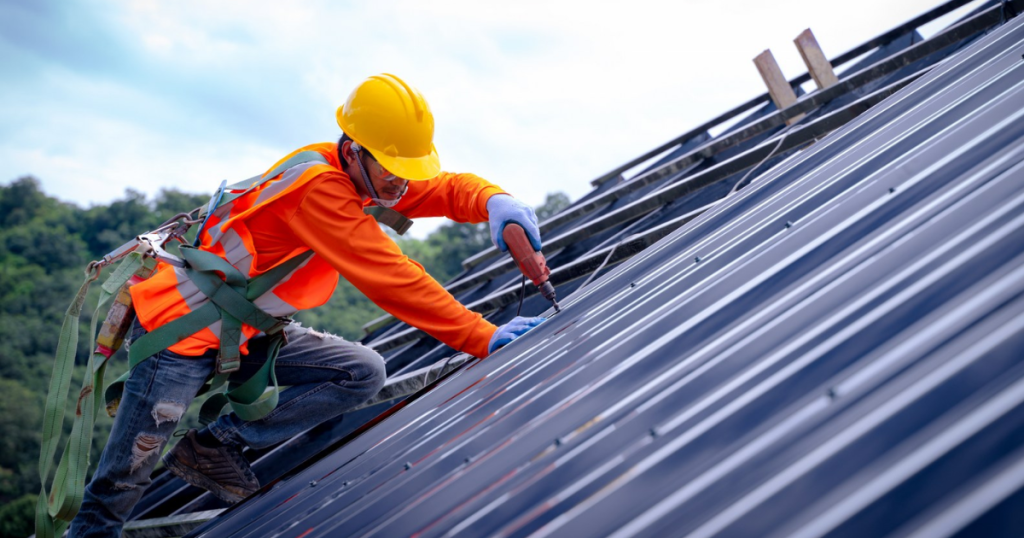
4. Installation Quality Makes a Big Difference
Even high-quality metal roofing can develop problems if it is poorly installed.
Correct installation involves much more than simply fixing sheets to the roof structure. The roofer needs to consider:
- Correct sheet positioning
- Roof pitch
- Fixing locations
- Flashings
- Roof penetrations
- Joins and overlaps
- Drainage
- Wind exposure
- Material compatibility
Incorrect detailing can allow water to enter vulnerable areas or accelerate corrosion.
BRANZ highlights the importance of careful roof design, appropriate cladding selection and proper installation for achieving good roof performance.
For homeowners, this means the installer you choose is just as important as the roofing material itself.
If you are considering a new roof, you can learn more about Hine Roofing’s new and re-roofing services.
5. Metal Roofing Can Be Durable, But Maintenance Still Matters
One common misconception is that metal roofing can simply be installed and forgotten.
Like any roofing system, metal roofs benefit from regular inspection and maintenance.
BRANZ identifies rust, damaged or loose fixings, lifting laps and deterioration of surface coatings among common defects found on metal roofs.
Regular maintenance can include:
- Checking for rust or corrosion
- Inspecting roofing sheets
- Checking flashings
- Checking fixings
- Removing accumulated debris
- Cleaning areas that do not receive regular rain washing
- Checking gutters and downpipes
- Maintaining protective coatings
BRANZ recommends regular washing of metal roofs, with the frequency depending on the material and environmental exposure. Severe marine, geothermal and industrial environments may require more frequent cleaning.
You can also read Hine Roofing’s guide on common roofing problems in Wellington and how to prevent them.
6. Metal Roofing Performs Differently in Coastal and Exposed Areas
Where your home is located can have a significant impact on your roof.
A home near the coast may experience more exposure to salt spray than a property further inland. Strong winds can also increase stress on roofing sheets, flashings and fixings.
BRANZ explains that local atmospheric conditions and the corrosion zone have a major influence on the durability of steel and aluminium roof claddings.
This is particularly relevant for homes around Wellington and other exposed parts of New Zealand.
Your roofing system should therefore be selected according to the conditions it will face rather than simply choosing the cheapest or most visually appealing option.
Material compatibility is important too. BRANZ warns that contact between incompatible metals or unsuitable materials can contribute to accelerated corrosion.
7. Metal Roofing Can Be Repaired or Replaced Depending on Its Condition
Another important difference is that not every ageing metal roof automatically needs complete replacement.
Some problems may be suitable for targeted repairs, while extensive corrosion, recurring leaks or significant deterioration may indicate that re-roofing is more appropriate.
Common warning signs include:
- Rust patches
- Leaking during rain
- Loose or damaged sheets
- Damaged flashings
- Deteriorated coatings
- Repeated repair requirements
- Sagging areas
- Widespread corrosion
BRANZ notes that replacement of a profiled metal roof is generally considered when corrosion has developed and the roof begins to leak.
Hine Roofing’s guide to roof repair vs re-roofing explains some of the factors homeowners should consider when deciding between the two options.
What Are the Main Benefits of Metal Roofing?
When properly selected and installed, metal roofing can offer several practical benefits.
Lightweight Construction
Metal roofing is relatively lightweight compared with some alternative roofing materials, which can make it suitable for a range of residential applications.
Long-Term Durability
The expected service life depends on the roofing material, coating, environment, installation and maintenance. A properly maintained metal roof can provide many years of service.
Range of Styles
Different profiles, colours and finishes allow metal roofing to suit both modern and traditional homes.
Easy Maintenance
Many modern prefinished metal roofing products require relatively little maintenance, although regular inspection and cleaning remain important.
Suitable for Re-Roofing
Metal roofing can be a practical option when replacing an ageing roof, subject to the existing structure and project requirements.
How to Look After a Metal Roof
A simple maintenance routine can help identify problems before they become expensive repairs.
Inspect the Roof Regularly
Look for visible rust, damaged sheets, loose fixings, lifting edges and deteriorating coatings.
Keep the Roof Clean
Leaves, dirt and other debris can hold moisture against the roofing surface. Areas that are sheltered from natural rain washing may require additional cleaning.
Keep Gutters Clear
Blocked gutters can cause water to back up and create unnecessary moisture around the roof system.
Check Roof Penetrations
Pay attention to areas around skylights, vents, chimneys and other penetrations, where flashing and seals need to remain effective.
Deal With Small Problems Early
A small area of corrosion or a damaged fixing may be easier to address before it develops into a larger roofing problem.
For professional assistance, explore Hine Roofing’s roof repair services.
When Should You Consider Replacing a Metal Roof?
Age alone does not always determine whether a metal roof needs replacement.
Instead, consider the overall condition of the roof.
A professional inspection may be worthwhile if you notice:
- Persistent leaks
- Widespread corrosion
- Repeated repairs
- Severely deteriorated coating
- Loose or damaged roofing sheets
- Damaged flashings
- Structural concerns
- A roof approaching the end of its useful service life
If several problems are occurring at the same time, replacing the roof may provide a more practical long-term solution than continuing with individual repairs.
Hine Roofing provides re-roofing services for homeowners looking to replace an ageing or damaged roof.
Metal Roofing and New Zealand Building Requirements
Roofing needs to meet the applicable requirements of the New Zealand Building Code.
The current Building Code includes requirements relating to durability, structure and external moisture. Building Performance states that B2 Durability requires building elements to remain functional for specified minimum periods, subject to the applicable requirements and normal maintenance.
Roof design also needs to account for factors such as wind exposure, roof slope, fixing methods, material selection and the local environment.
For official information, homeowners can refer to Building Performance’s B2 Durability guidance and BRANZ guidance on replacing profiled metal roofs.
Metal Roofing: The Key Takeaway
Metal roofing can be a practical and durable choice for many homes, but the quality of the complete roofing system matters.
The seven key differences to remember are:
- Metal roofing is lightweight.
- Different profiles have different applications and requirements.
- The material and protective coating affect durability.
- Installation quality plays a major role in roof performance.
- Regular maintenance helps protect the roof.
- Coastal and exposed locations require careful material selection.
- Repair or replacement depends on the roof’s actual condition.
The right metal roof is not simply about choosing a sheet colour or profile. It is about selecting suitable materials, designing the roof correctly, installing it properly and maintaining it over time.
Need Help With Metal Roofing?
Thinking about installing a new metal roof or replacing an ageing one?
Hine Roofing provides roofing services across Wellington and Palmerston North, including new roofs, re-roofing, roof repairs, guttering and insulation. The team can assess your existing roof and discuss suitable roofing options for your property.
Get in touch with Hine Roofing for a free, no-obligation quote or call 0800 45 4463.